The Invisible Menu - Part 1: What Your Cell Counter is Really Counting
Part 1 of the Invisible Menu blog series.
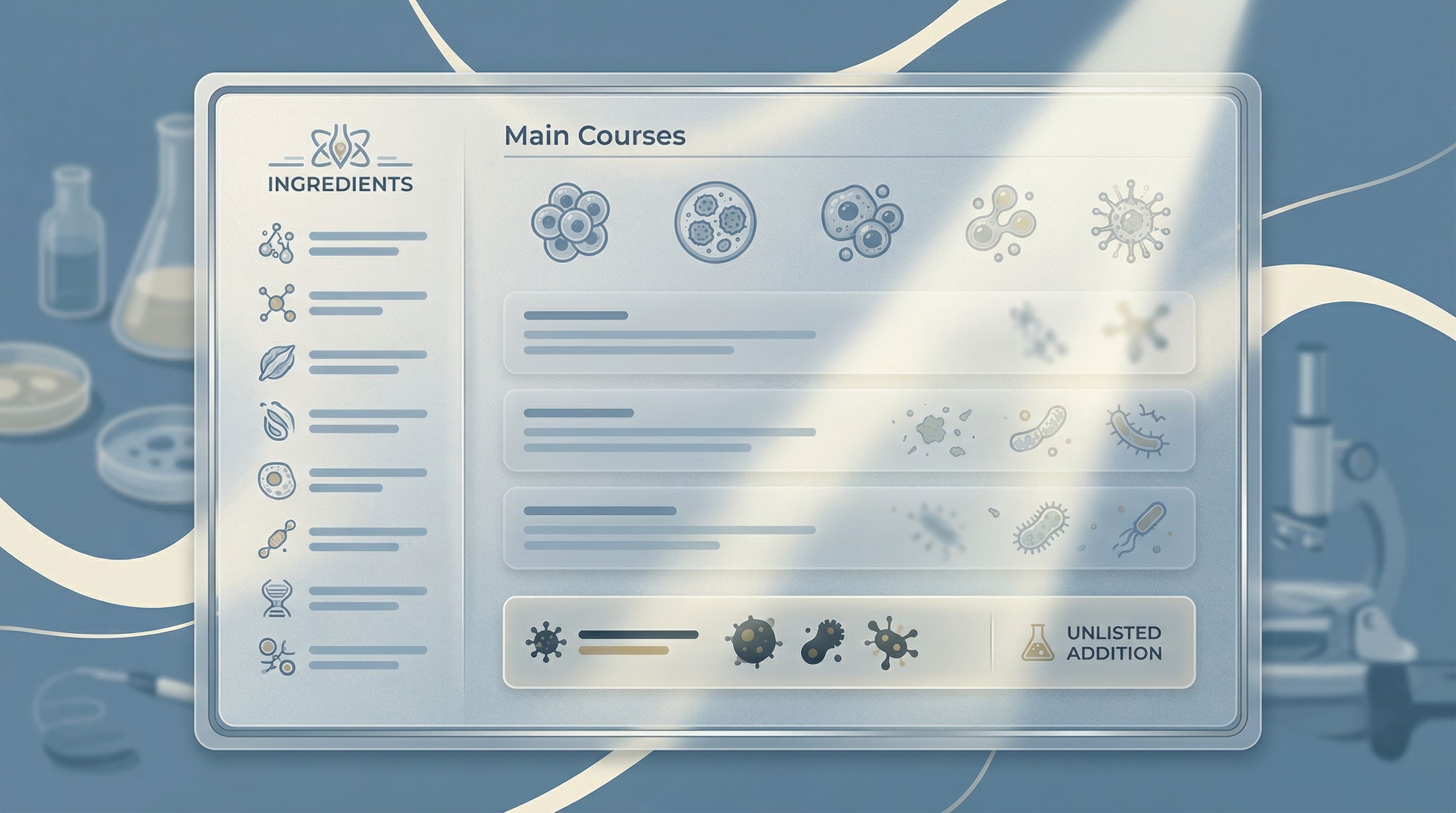
Imagine walking into the finest restaurant in town. The ambiance is perfect. The reviews are exceptional. The chef has trained at the best culinary schools. Every detail has been meticulously planned.
Now imagine ordering dinner and receiving a dish without any description of what's actually in it. No ingredient list. No allergen warnings. No way to know whether what's on the plate matches what should be there.
Would any serious diner accept that?
Yet this is precisely how most laboratories operate when it comes to cell samples. The count looks right. The concentration seems acceptable. The sample moves forward to expensive downstream applications. But what's actually in that sample? What invisible ingredients might be corrupting the dish?
The Menu Nobody Reads
Every cell sample is more than just cells. Consider the typical sample preparation process: tissue gets minced, enzymes digest the matrix, pipettes triturate the suspension. At each step, debris enters the mixture. Dead cells accumulate. Fragments of extracellular matrix linger. And through it all, the "menu" of what's truly in the sample remains invisible.
Dr. Sarah Chen at a major genomics core facility discovered this reality the hard way. After months of inconsistent 10x Genomics runs, her team traced the problem not to their technique or reagents, but to sample quality they simply couldn't measure. "The image counter said the count was fine," she recalls. "What it couldn't tell us was that 30% of what it was looking at was debris."
The Invisible Contaminant
Image-based counters have become remarkably sophisticated at excluding debris from cell counts. The algorithms identify cells. They segment them from background. They report a number. But here's what they don't do: quantify how much debris was excluded. A sample could be 50% debris, and as long as the cells are counted correctly, no warning appears. The contamination remains invisible on the menu.
When the Chef Doesn't Know the Recipe
The consequences of an unread menu cascade through every downstream application. Single-cell sequencing platforms load samples based on reported concentrations. If debris inflates those numbers, chips get overloaded. Reagents get wasted. Data quality suffers from ambient RNA contamination that bioinformatics struggles to clean up.
Why does this matter? Because the "soup"—that mixture of cell-free RNA from debris and dead cells—doesn't just disappear. It becomes background noise in every sequencing read. It complicates analysis pipelines. It erodes the precision that expensive single-cell workflows are designed to deliver.
The Ambient RNA Soup
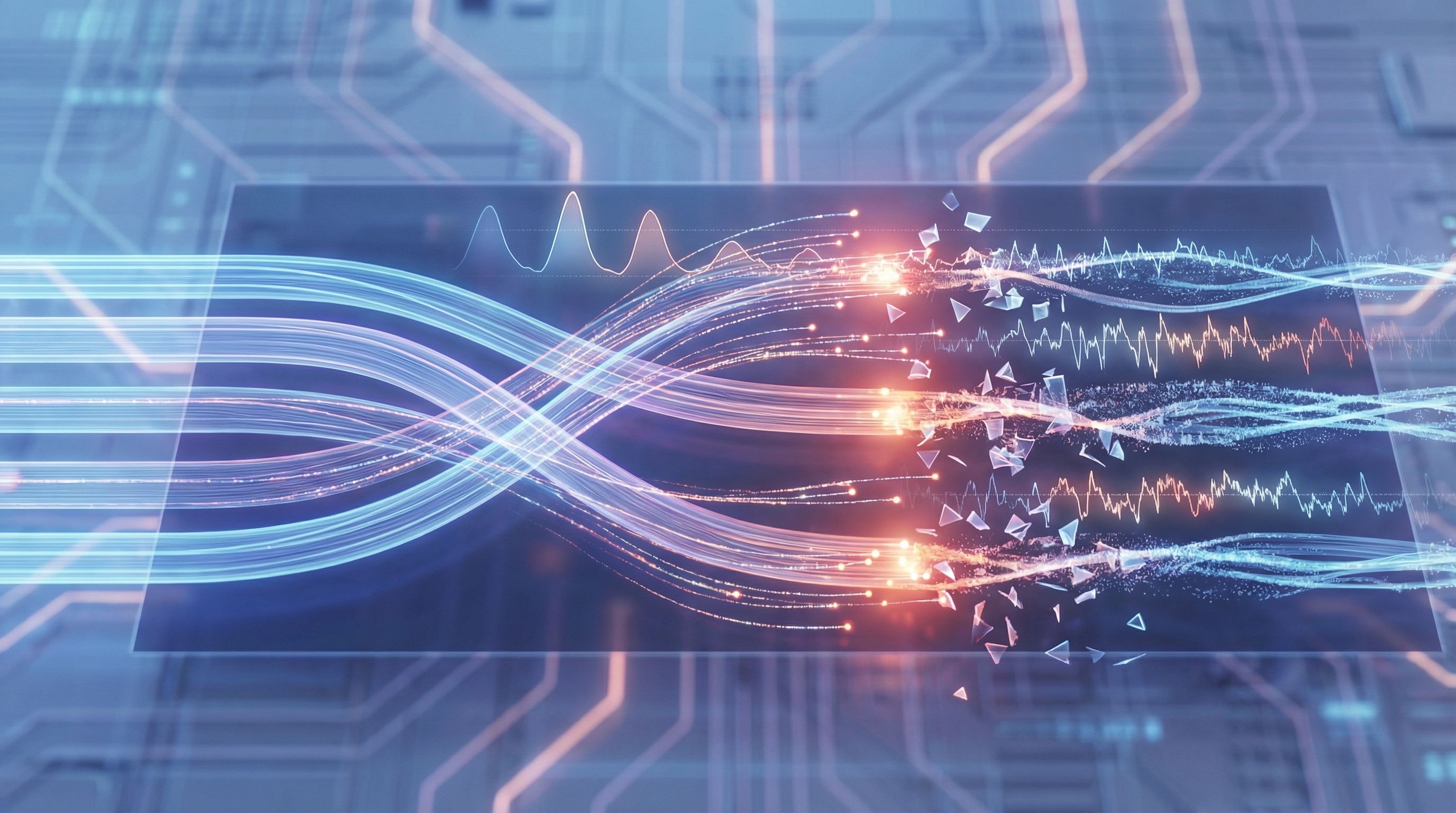
In single-cell genomics, ambient RNA represents one of the most frustrating contaminants. When cells lyse or debris accumulates, their contents leak into the surrounding media. This "soup" gets encapsulated alongside viable cells during droplet generation. The result? Every single-cell library carries background noise that didn't come from intact cells.
Can computational tools remove this contamination? To some extent, yes. But post-hoc correction always introduces uncertainty. The cleaner the sample going in, the cleaner the data coming out. The menu—the true composition of what's actually in the sample—determines whether downstream analysis will be straightforward or complicated.
The Question Every Lab Should Ask
Before loading any sample onto an expensive chip, before committing irreplaceable material to analysis, before trusting a count that doesn't include what it excludes, every researcher should ask: What's really in this sample?
Not just: How many cells are there?
But: What percentage of this sample is debris? What's the true composition? Am I reading the full menu, or just the highlighted specials?
Key Takeaway
A cell count without debris quantification is like a menu without an ingredient list. The number might look right. The concentration might seem acceptable. But without knowing what invisible contaminants are present, every downstream decision becomes a gamble.
In Part 2 of The Invisible Menu, we'll examine the five villains hiding in every sample—the contaminants that corrupt data, waste reagents, and undermine reproducibility. Understanding the enemy is the first step toward reading the menu clearly.
Read the Full Menu
What hidden ingredients are in your samples? Discover how to see what others miss.